
Root Canal Retreatment in Orem, UT
Root Canal Retreatment Explained
Root canal retreatment is performed when a tooth that already had a root canal begins to fail. Bacteria can reenter the canal system through new decay, a leaking filling or crown, a hidden canal that was missed, or a crack in the tooth.
The goal is to remove old filling materials, clean and disinfect the canals more thoroughly, and seal the tooth again to stop infection and preserve function.
How Retreatment Can Help You
Saving the natural tooth often provides the best chewing comfort and esthetics.
Controlling infection supports overall oral and systemic health.
Retreatment can be more conservative than extraction plus replacement.
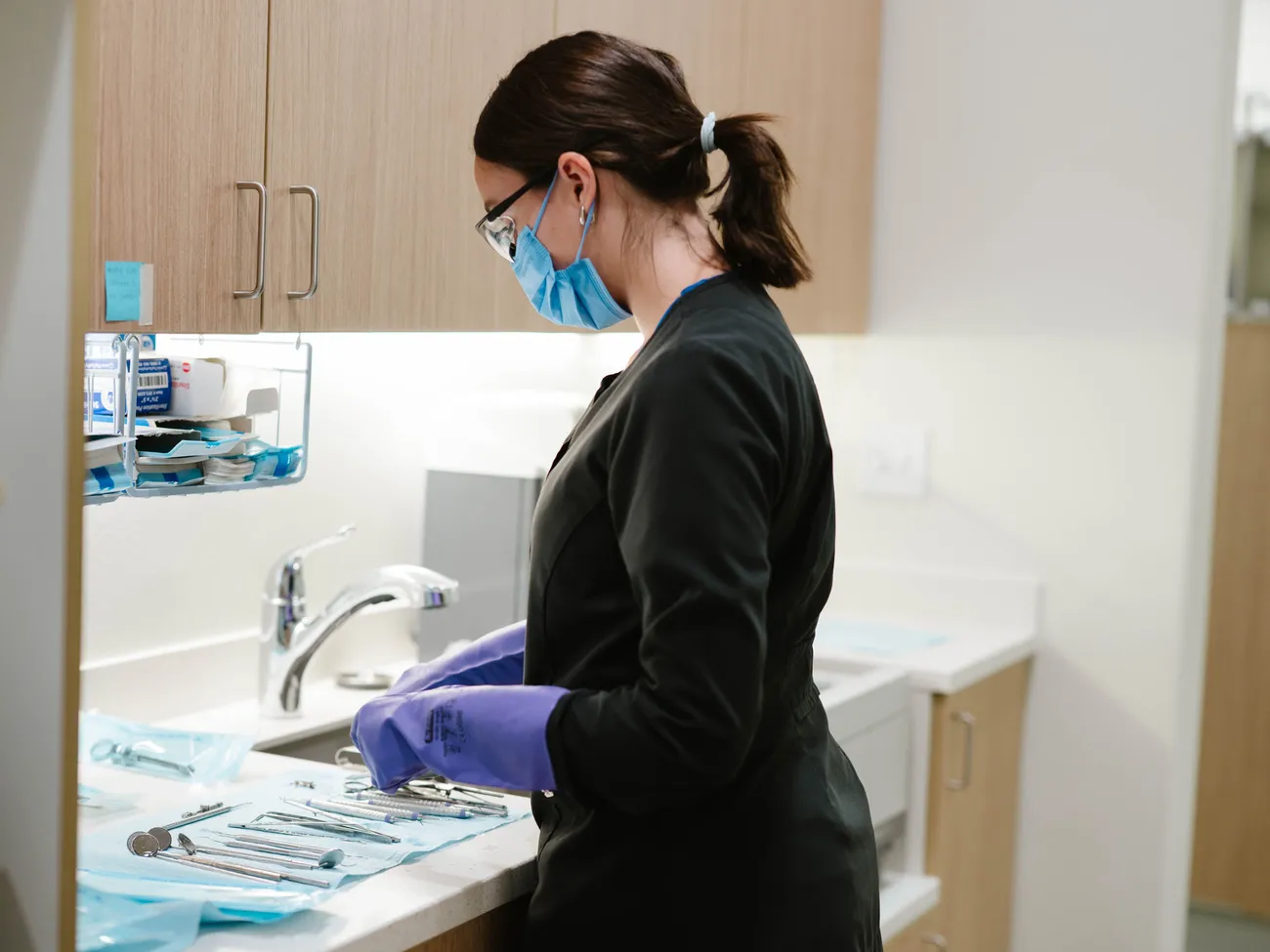
The Root Canal Retreatment Process
- Evaluation and Imaging: The tooth, gums, and existing restoration are examined with 3D or digital X-rays to locate hidden canals or cracks.
- Comfort and Isolation: Local anesthesia numbs the area, and a rubber dam keeps the tooth dry and protected.
- Access and Removal: Old filling material and posts are carefully removed to reopen the canals.
- Cleaning and Disinfection: Specialized instruments and solutions clean the canals more completely.
- Sealing and Restoration: Canals are filled and sealed, and a new crown or filling is placed to prevent leakage.
What to Expect
Mild soreness for a few days is common and usually manageable with over-the-counter pain relievers. Most patients return to normal activities the next day. Good home care and timely restoration are critical to long-term success.
For guidance on root canal retreatment in Orem, UT, contact CrossPointe Dental at 801-224-7337 to schedule a visit with Dr. Damon P. Swenson.
Frequently Asked Questions About Root Canal Retreatment
It is recommended when a previously treated tooth shows signs of reinfection, such as pain, swelling, a draining pimple on the gums, or changes seen on X-rays. New decay or a leaking crown can also lead to failure.
The steps are similar, but retreatment adds the careful removal of old materials and may use advanced imaging to find extra or curved canals that were missed the first time.
Local anesthesia keeps you comfortable during the procedure. Expect mild soreness afterward, which usually improves within a few days with routine pain relief.
Many cases are completed in one visit of 60 to 120 minutes. Complex teeth or infections may need two visits with a medicated dressing placed between appointments.
Success varies by tooth condition, canal anatomy, and the quality of the final restoration. When the tooth is restorable and sealed well, outcomes are often favorable.
Alternatives include apicoectomy to treat the root tip surgically or extraction with replacement using a dental implant, bridge, or partial denture.