
Emergency Dental Care in Orem, UT

Understanding Emergency Dental Care
Emergency dental care addresses sudden problems that cannot wait — significant pain, infection, or damage to teeth and gums. The goal is to relieve pain, stabilize your condition, and prevent further complications. Common reasons to call include:
- Severe or persistent toothache
- Knocked-out or partially dislodged tooth
- Cracked, broken, or fractured tooth
- Swelling, abscess, or facial discomfort
- Lost filling, crown, or veneer causing pain
- Gum or soft tissue injury that will not stop bleeding
Benefits of Prompt Treatment
Rapid pain relief with targeted treatment and gentle anesthesia.
Prevent infections from spreading to surrounding teeth and tissues.
Save natural teeth with early, conservative care whenever possible.
Reduce the need for more complex procedures later.
Return to work, school, and daily life with confidence.
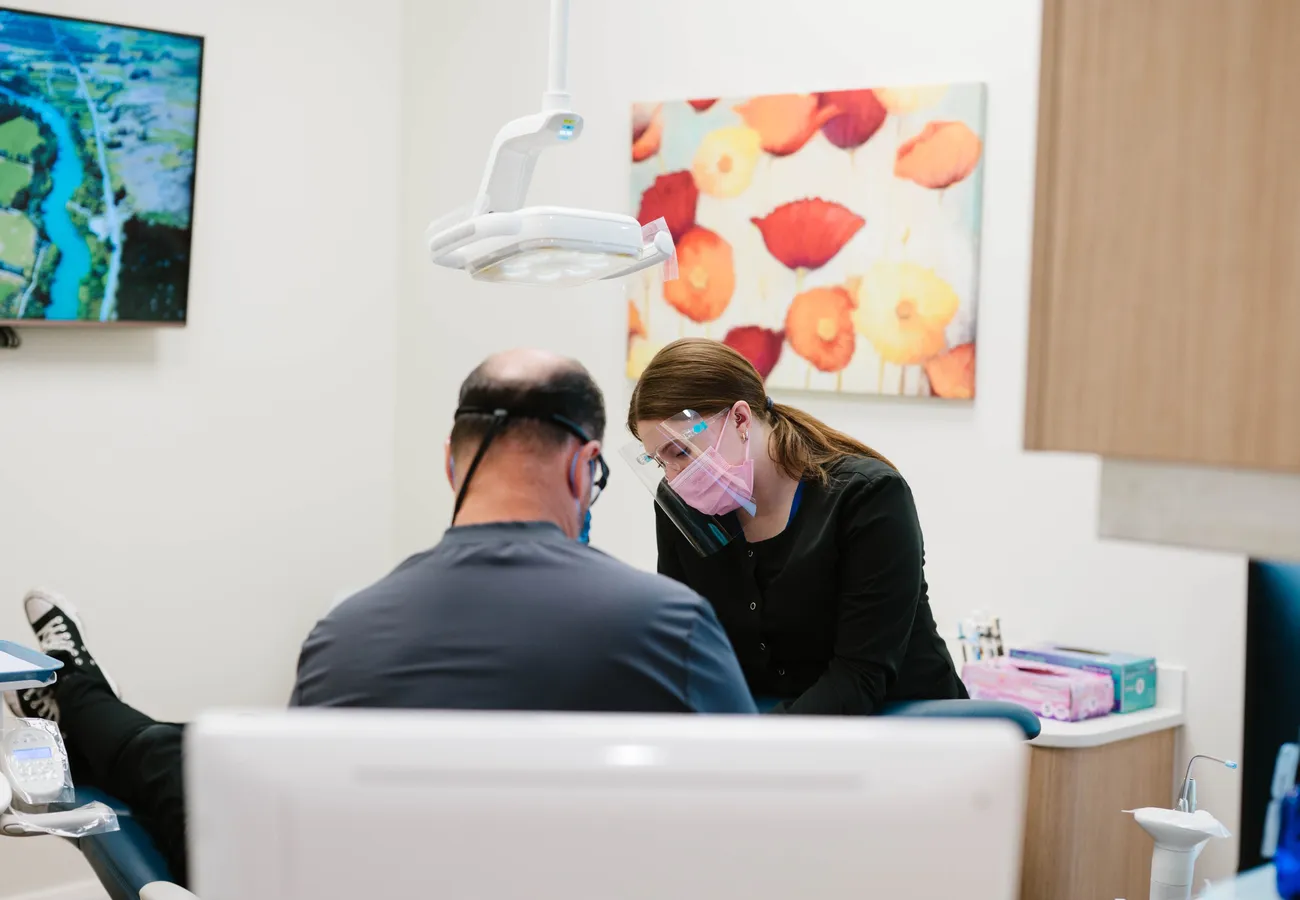
What to Expect During an Emergency Visit
Immediate Triage When You Call. A quick phone assessment helps prioritize your care and share simple steps to protect the area until you arrive.
Comfort-Focused Exam and Diagnostics. On arrival, our dentist will review your symptoms, examine the area, and use appropriate imaging to pinpoint the cause.
Same-Day Stabilization. Most urgent care includes immediate steps such as smoothing a sharp edge, placing a protective dressing, re-cementing a crown, or beginning root canal therapy for an abscessed tooth.
A Clear Plan and Next Steps. You will leave with a straightforward explanation of findings, options, and costs, plus follow-up scheduling so your recovery stays on track.
Common Dental Emergencies We Treat
Toothache and Sensitivity. Deep decay, cracked enamel, or inflamed nerves can cause intense pain. Our dentist can relieve discomfort, remove infection, and restore the tooth with conservative treatment when feasible.
Broken or Chipped Teeth. A small chip may be smoothed or bonded, while larger fractures may need a crown or other restoration. Urgent assessment helps prevent further breakage.
Abscess and Swelling. Infections require prompt attention to prevent spread. Stabilization may include opening and draining the source, starting appropriate therapy, and scheduling definitive treatment.
Lost Fillings or Crowns. Exposed tooth structure can be sensitive and vulnerable. Temporary or definitive repair restores comfort and protects the tooth from additional damage.
Frequently Asked Questions About Emergency Dental Care
Severe or persistent pain, a knocked-out or fractured tooth, swelling or abscess, uncontrolled bleeding, or a lost restoration causing pain are common dental emergencies. When in doubt, call for guidance.
Visit the ER for life-threatening injuries, severe facial trauma, or uncontrolled bleeding. For most tooth-related problems, our dentist can diagnose the cause and provide definitive care.
As soon as possible. Handle the tooth by the crown, keep it moist, try to reinsert gently, and seek urgent dental care. The first hour offers the best chance to save the tooth.
Comfort is a priority. Local anesthesia, gentle techniques, and targeted treatment relieve pain quickly. You will also receive home-care instructions to stay comfortable after your visit.
Call for triage. You may receive advice on protecting the area, controlling discomfort, and reducing swelling until your urgent appointment. Avoid chewing on the affected area and keep it clean.