
Dental Bridges in Orem, UT
Dental Bridges Explained
A dental bridge replaces one or more missing teeth by anchoring an artificial tooth (pontic) to neighboring teeth or dental implants. Bridges are custom-made to match your bite and the shade of your natural teeth.
Common types include traditional bridges, cantilever bridges, Maryland or resin-bonded bridges, and implant-supported bridges. Materials range from porcelain fused to metal to zirconia or all-ceramic systems.
Benefits of Dental Bridges
Restores chewing so everyday meals feel more comfortable and efficient.
Improves speech by filling spaces that can affect pronunciation.
Prevents neighboring teeth from shifting into the gap.
Maintains facial support to reduce a sunken appearance over time.
Offers a fixed solution that stays in place and feels secure.
Provides a shorter treatment timeline than implants in many cases.
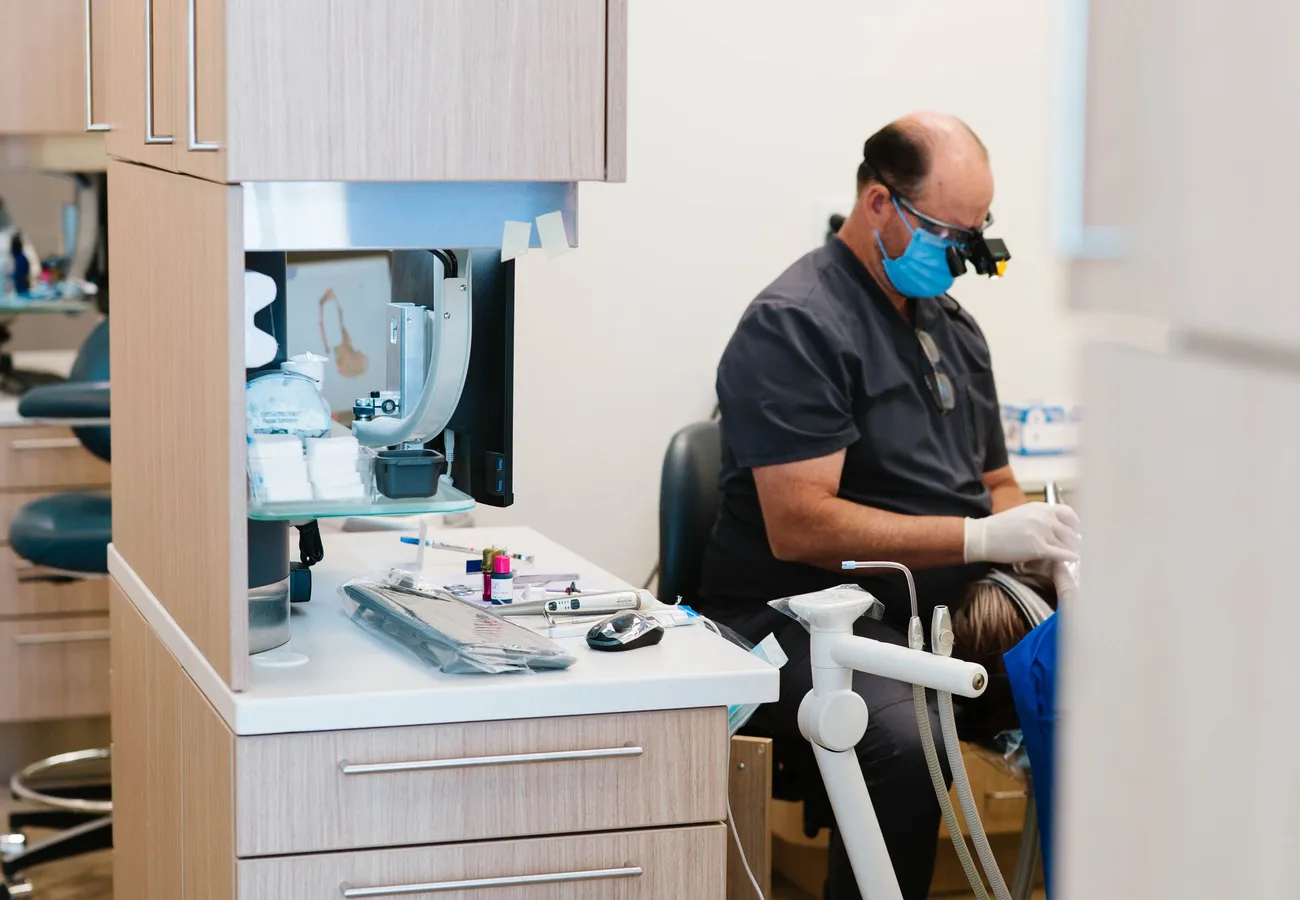
The Dental Bridge Process
- Evaluation and Planning: Exam, X-rays, and bite assessment determine which bridge type fits your needs.
- Tooth Preparation: A small amount of enamel is reshaped on abutment teeth to make room for crowns.
- Impressions or Scans: Digital scans capture the exact shape for a custom fit.
- Temporary Bridge: A provisional bridge protects prepared teeth while the final is crafted.
- Fitting and Bonding: The final bridge is adjusted for comfort and cemented in place.
Most cases take two visits. Implant-supported bridges require additional time for implant healing.
What to Expect
Mild sensitivity after preparation is common and resolves within a few days. Clean around and under the pontic daily using a floss threader, super floss, or water flosser. With good home care and routine visits, many dental bridges last 7 to 15 years or longer.
For questions about dental bridges in Orem, UT, contact CrossPointe Dental at 801-224-7337 to schedule with Dr. Damon P. Swenson.
Frequently Asked Questions About Dental Bridges
A dental bridge fills a gap with a pontic supported by crowns on nearby teeth or by implants. The unit is fixed in place to restore chewing, speech, and esthetics.
Most bridges last 7 to 15 years, and some last longer. Lifespan depends on oral hygiene, diet, bite forces, and routine professional care.
Local anesthesia keeps you comfortable during preparation and placement. Mild soreness or sensitivity is common for a few days and usually improves quickly.
Options include traditional, cantilever, Maryland or resin-bonded, and implant-supported bridges. The best choice depends on tooth health, bite, and the number of missing teeth.
Each has benefits. A bridge offers faster results without surgery. An implant replaces the root and helps preserve bone. A personalized exam will outline which suits your goals.
Use a floss threader or super floss to pass under the pontic daily. An interdental brush or water flosser can help remove plaque in hard-to-reach spots.