
Dental Inlays and Onlays in Orem, UT
Inlays and Onlays Explained
An inlay fits within the grooves of a tooth and does not cover the cusps. An onlay extends to replace one or more cusps, covering a larger area of the biting surface. Both are custom-made and bonded to the tooth for a precise fit.
These options bridge the gap between a standard filling and a crown. Compared with a large filling, inlays and onlays offer better strength. Compared with a crown, they require less removal of healthy enamel.
How Inlays and Onlays Help
Conservative treatment that preserves more natural enamel than a crown.
Improved strength and durability compared with large composite fillings.
Excellent fit that supports the tooth and distributes chewing forces.
Smooth, stain-resistant surfaces that are easy to clean.
Natural-looking esthetics when porcelain or resin is selected.
Long service life with proper home care and routine checkups.
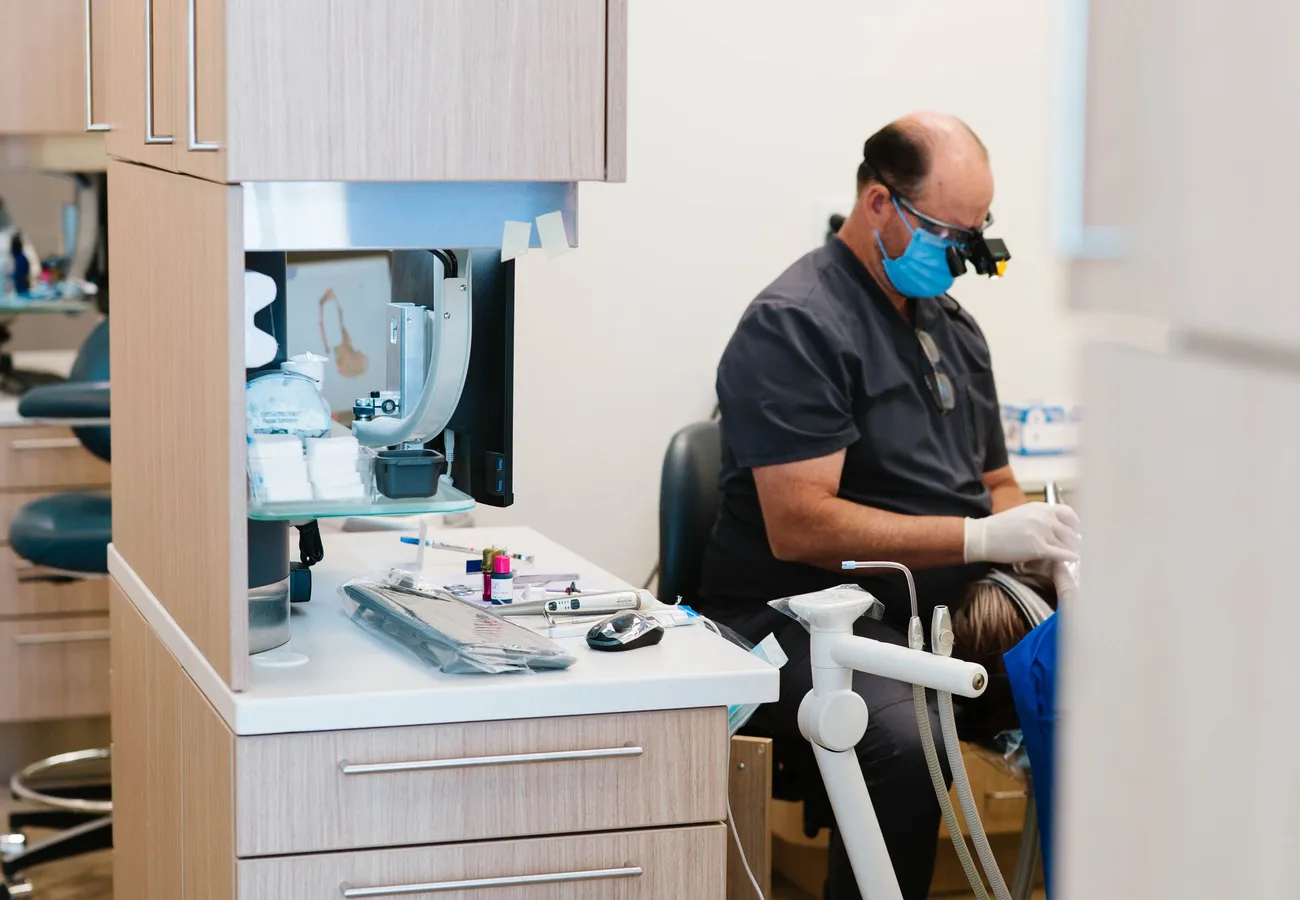
The Inlay and Onlay Process
- Evaluation: The tooth is examined and imaging helps define the extent of damage.
- Tooth Preparation: Decay or weak enamel is removed and the area is shaped for an ideal fit.
- Impressions or Scans: A digital scan captures exact details for the lab.
- Lab Fabrication: Technicians craft the inlay or onlay for precise contacts and color.
- Bonding: The restoration is verified for fit and shade, then bonded with strong dental cement.
- Finishing: Edges are polished and the bite is adjusted for comfort.
What to Expect
Local anesthesia is used during preparation, so you should feel comfortable. After bonding, mild sensitivity to temperature or chewing pressure can occur and usually settles within a few days. With routine care, dental inlays and onlays can last many years.
For guidance tailored to your smile, contact CrossPointe Dental at 801-224-7337 to schedule a visit with Dr. Damon P. Swenson.
Frequently Asked Questions About Inlays and Onlays
When decay or fracture is too large for a secure filling, an inlay or onlay provides added strength and a more accurate bite. They are ideal for moderate damage that does not require a full crown.
An onlay covers one or more cusps but leaves more healthy enamel intact. A crown covers the entire tooth above the gumline. Onlays are often chosen to conserve tooth structure while still reinforcing weak areas.
Porcelain offers natural esthetics and stain resistance, composite resin can be a conservative and repairable choice, and gold provides outstanding durability. The selection considers visibility, bite forces, and personal preferences.
Many last 10 years or longer with good care. Longevity improves with regular checkups, good brushing and flossing, and protection from grinding forces.
Local anesthesia keeps you comfortable during preparation. Some brief post-treatment sensitivity is possible, but it usually resolves quickly and can be managed with mild pain relievers.
Brush, floss, and keep routine dental visits. Avoid chewing ice and very sticky candies. If you clench or grind, a nightguard can help protect the restoration and surrounding teeth.